top of page
Our Blog


Top AI Workload Schedulers for Serious Compute
An engineering assessment of top AI workload schedulers for GPU clusters, research platforms, and production ML systems requiring utilization and control.
2 days ago6 min read


Enterprise Simulation Governance Guide for Scale
This enterprise simulation governance guide defines controls, accountability, validation, and traceability for models operating at industrial scale safely.
4 days ago6 min read


Kubernetes vs Slurm for GPU Infrastructure
Compare Kubernetes vs Slurm for GPU infrastructure: scheduling, isolation, operations, and fit for AI, simulation, and critical complex research workloads.
6 days ago6 min read


Scientific AI Trends Reshaping Research Systems
Scientific AI trends are redefining research infrastructure, from physics-aware models and GPU fabrics to governed, reproducible deployment at scale.
Nov 16 min read


Distributed Training Networking Guide for AI Teams
This distributed training networking guide explains how to design fabrics, storage paths, and observability for dependable AI scale in production systems.
Oct 305 min read

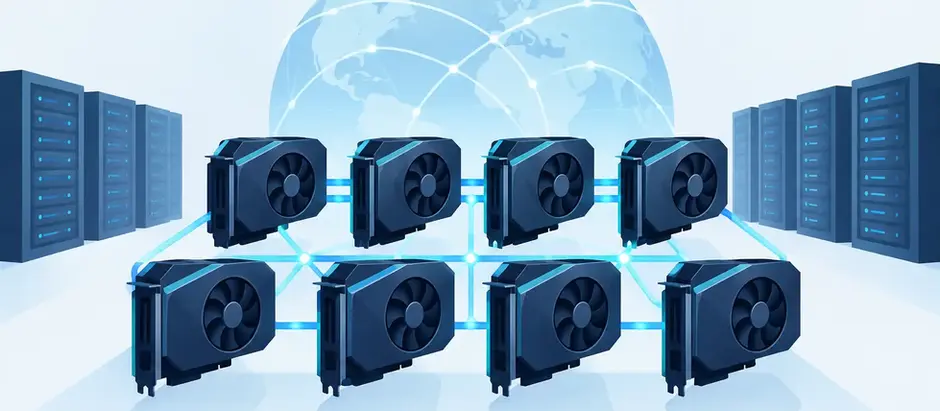
GPU Interconnects and the Architecture of Scale
GPU interconnects determine whether AI clusters scale efficiently. Learn how topology, bandwidth, latency, and software shape durable compute fabrics.
Oct 286 min read


How to Architect Hybrid Compute for AI Scale
Learn how to architect hybrid compute across on-premises, cloud, and edge resources for governed AI, simulation, resilient performance, and scale.
Oct 266 min read


Kubernetes vs Slurm: Choosing the Right Scheduler
Kubernetes vs Slurm: understand how container orchestration and HPC scheduling differ, where each excels, and how to architect hybrid compute platforms.
Oct 245 min read


HPC Consulting Evaluation: What to Measure
Use HPC consulting evaluation to assess workload evidence, system architecture, delivery governance, resilience, and long-term operating value with rigor.
Oct 226 min read


The Importance of Experiment Tracking at Scale
Experiment tracking importance rises with computational scale. Learn how governed records improve reproducibility, deployment confidence, and auditability.
Oct 206 min read


Scientific Computing Infrastructure That Endures
Scientific computing infrastructure designed for AI, simulation, and data-intensive research must be governed as a durable engineering system over time.
Oct 186 min read


AI Infrastructure Trends 2026 That Will Endure
AI infrastructure trends 2026 will favor power-aware compute, composable systems, governed data, and operations designed for durable AI at scale today.
Oct 165 min read


AI Platform Governance Guide for Enterprise Scale
An AI platform governance guide for enterprises building accountable, secure, and durable model systems across complex computational environments safely.
Oct 146 min read


Data Parallel Versus Model Parallel Decisions
Data parallel versus model parallel: assess memory, communication, topology, and operational constraints to design AI systems that scale with discipline.
Oct 126 min read


How to Benchmark GPU Interconnects for AI Clusters
Learn how to benchmark GPU interconnects with a rigorous method for measuring bandwidth, latency, topology effects, and workload-level scaling accurately.
Oct 106 min read


Simulation Reproducibility Practices That Endure
Simulation reproducibility practices turn computational results into evidence: traceable, repeatable, and defensible across systems, teams, and over time.
Oct 86 min read


A Scientific Workload Orchestration Guide
A scientific workload orchestration guide for designing dependable compute pipelines across HPC, AI, simulation, data, and production operations at scale.
Oct 66 min read


Enterprise AI Infrastructure Trends That Matter
Enterprise AI infrastructure trends are shifting from raw GPU scale to governed, efficient, workload-aware systems built for durable production value.
Oct 45 min read


What Causes GPU Memory Fragmentation in AI?
What causes GPU memory fragmentation? Learn how allocation patterns, pools, and model workloads create capacity loss - and how architects reduce it early.
Oct 26 min read


Resilient Model Deployment Systems That Endure
Resilient model deployment systems align architecture, governance, observability, and recovery so critical models withstand real production load at scale.
Sep 305 min read
bottom of page